WhatsApp

For U.S. citizens & green-card holders
The U.S. Edition
Worldwide-income filing, the Foreign Earned Income Exclusion, FBAR / FATCA reporting, tax treaty limits, and what changes the moment you buy Riviera Maya property.
Buy on Amazon →
Expat tax guide for US citizen, Canadians and Québécois to help relocate and live abroad without a costly surprise.
Three expat tax guides — for U.S. citizens, Canadians, and French-speaking Canadians — written to help you relocate to the Riviera Maya without a single costly surprise. The first step toward buying with clarity.

Most relocation content talks about visas and shipping furniture. Almost none talks about the tax return you'll still owe at home, the reporting you didn't know existed, or the Mexican rules that quietly apply the moment you buy property. That gap is where thousands of dollars disappear every year.
U.S. citizens and green-card holders owe worldwide-income tax no matter where they live. Canadians who don't properly sever residency can stay on the hook for Canadian tax years after they've left. Either mistake compounds every year it goes uncorrected.
Foreign buyers near the coastline typically hold property through a fideicomiso (bank trust) or a Mexican corporation. Each has different tax, inheritance, and reporting consequences — decisions that are far easier to get right before signing than to unwind after.
Each guide walks through exactly what your home country still expects from you, what Mexico expects the moment you earn, rent, or buy here, and which forms and deadlines actually apply to your situation — no accounting degree required.
Residency timing, treaty benefits, and the right ownership structure are far cheaper to arrange in advance than to fix retroactively. Readers who plan ahead consistently keep more of what they earn — and buy with far more confidence.
Every reader's tax situation depends on the country they're a citizen of — so instead of one generic e-book, there are three specific ones.
Worldwide-income filing, the Foreign Earned Income Exclusion, FBAR / FATCA reporting, tax treaty limits, and what changes the moment you buy Riviera Maya property.
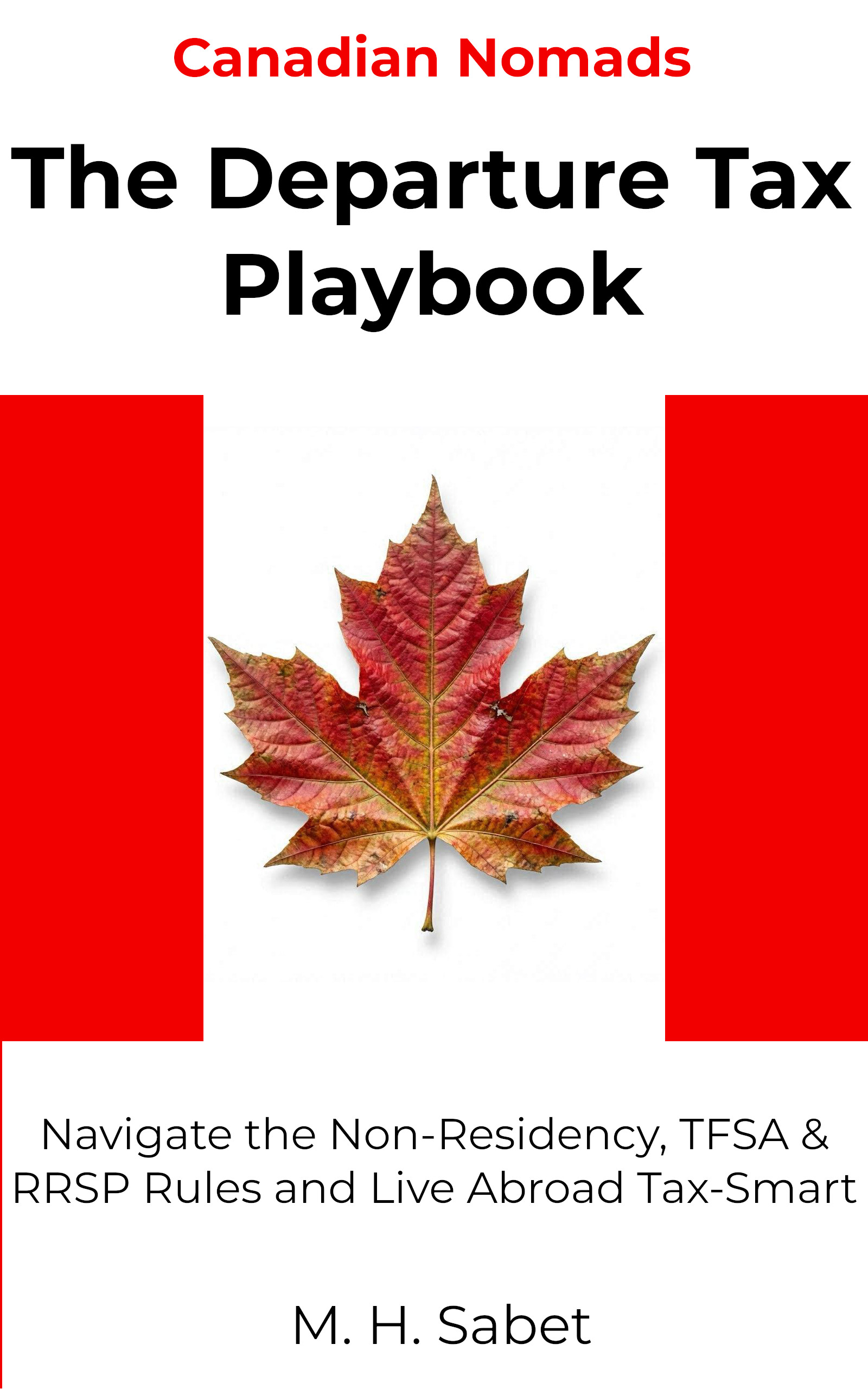
Buy on Amazon →How to properly sever Canadian tax residency, the departure tax, CRA obligations abroad, and how the Canada–Mexico tax treaty applies to your move and your investments.
Buy on Amazon.ca →Le même contenu essentiel — résidence fiscale, obligations envers l'ARC et Revenu Québec, et planification avant l'achat — présenté entièrement en français pour les Québécois qui envisagent le Mexique.
Acheter sur Amazon.ca →The first pages of each edition, in the author's actual voice — the stories, the concrete examples, the "what to do this week" prompts that make a technical topic feel handled.
Disclaimer: This chapter is general guidance, not legal or tax advice. US tax law is exceptionally complex for citizens abroad. Always consult a qualified US tax professional specializing in expatriate and international tax matters.
The Golden Rule for US Citizens: You Can Run, But the IRS Follows
Aisha stared at the glittering Dubai skyline from her high-rise apartment, a sense of unease cutting through her satisfaction. She’d moved from New York six months ago for a finance role in the UAE's 0% income tax environment. Her salary had never been higher, and her tax withholdings had dropped to zero. Preparing to file her first US tax return from abroad, she’d casually mentioned her situation to a colleague. "Just remember," he'd said, "the IRS still wants its cut." Aisha's stomach dropped. A frantic Google search confirmed her worst fear: the United States and Eritrea are the two most prominent examples of citizenship-based taxation — taxing citizens on worldwide income regardless of where they live or earn the money. A few other countries (such as Hungary and Myanmar) have partial citizenship-touching rules, but the US system is by far the most comprehensive. The sun-drenched, tax-free life she thought she had built was an illusion. Her miscalculation wasn't about overstaying a visa; it was a fundamental misunderstanding of her unbreakable tether to the US tax system.
For you, as a US citizen, tax residency is a dual-layer problem. The 183-day rules of other countries don't free you from US obligations; they simply add another taxing jurisdiction on top. This chapter breaks down the core principles every US digital nomad must master to navigate this unique and often costly reality.
For nearly every other nationality, establishing tax residency in a new country can mean severing tax ties with their home country. For you, it's an addition, not a substitution. Your US tax obligation is perpetual, rooted in your citizenship. This concept, known as citizenship-based taxation, is the bedrock of your nomadic tax life.
The primary question for a US citizen abroad is not "Am I a US tax resident?"—the answer is always yes. The critical questions are:
This is where the 183-day rule becomes crucial for you in two distinct ways:
Example: Maria, a US citizen freelance writer, spends 180 days in Portugal and 185 days in Spain during the tax year. In the eyes of the Portuguese and Spanish tax authorities, she is a tax resident of Spain (having spent >183 days there) but not of Portugal. She may owe Spanish income tax on the money she earned while in Spain. Crucially, she remains a full US tax resident. Her goal is to use the FEIE on her US return to exclude her foreign-earned income, but she must also navigate her new Spanish tax obligations. She hasn't escaped the US system; she's added a Spanish layer to it.
What to do this week: Acknowledge the fundamental truth: you are always a US tax resident. Then, pull out your calendar and log every day you spent in each country (including the US) over the last 12 months. This dual-purpose log is your foundational document.
¹ Jurisdiction Note: The US taxes citizens on worldwide income indefinitely. The only way to sever this obligation is through a formal, often complex and expensive, process of relinquishing US citizenship, which can have its own significant tax consequences (covered in a later chapter).
The 183-day rule is the most common trigger for tax residency in countries worldwide. For a US citizen, understanding this rule is not about avoiding US tax, but about managing the risk of being taxed by two countries on the same income.
When you spend 183 days or more in a foreign country within its tax year, you typically become a tax resident there. This means that country may claim the right to tax your worldwide income, or at a minimum, the income you earned while physically present there. This creates a potential for double taxation: the foreign country taxes the income, and the US also wants to tax it.
This is where US tax codes like the Foreign Earned Income Exclusion (FEIE) and the Foreign Tax Credit (FTC) come into play. Their purpose is to prevent this double taxation, but they operate differently. The 183-day rule is directly tied to the FEIE's Physical Presence Test, which requires you to be outside the US for 330 days in a 12-month period. Meticulously tracking your days abroad is therefore critical for two reasons: to claim the FEIE and to know when you've triggered a tax residency that will require foreign tax filings.
Example: Ben, a US citizen software developer, works remotely for a California startup. He spends all of 2025 in Mexico. Because he is there for more than 183 days, Mexico considers him a tax resident. Mexico taxes his salary earned while in Mexico. On his US tax return, Ben can use the FEIE to exclude up to ~$132,900 (current as of 2026-06) of his earned income from US taxation. If his income is above that threshold, or if the FEIE doesn't fully cover the double-taxed amount, he can use the Foreign Tax Credit to claim a dollar-for-dollar credit on his US return for the income taxes he paid to Mexico. His day-tracking is essential for proving his 330+ days abroad to the IRS and for determining his Mexican tax residency.²
What to do this week: For any country where you've spent more than 90 days, research its specific 183-day rule. Does it count partial days? Is it a calendar year or a fiscal year? This proactive research is your early warning system for additional filing requirements.
² Jurisdiction Note: The FEIE amount is adjusted annually for inflation. For the 2026 tax year, the excluded amount is approximately $132,900 (current as of 2026-06). The FEIE only applies to earned income (wages, self-employment income). It does not apply to investment income, which remains fully taxable by the US.
Disclaimer: This chapter is general guidance, not legal or tax advice — always consult a qualified Canadian tax professional (CPA with cross-border and expatriate expertise).
The Critical Canadian Distinction: You Can Leave, But Your Ties Can Follow You
Liam stared at the CRA Notice of Reassessment, the numbers on the page blurring as the knot in his stomach tightened. For three years, he'd been living his dream, running his software consultancy from a villa in Bali. He'd filed his Canadian taxes diligently, declaring the rental income from his Toronto condo. He was certain he'd done everything right. But the CRA saw a different picture. They saw the family cottage in Muskoka, still in his name and used every summer. They saw the active OHIP card and the family doctor he'd never officially de-listed himself from. They saw the RRSP contributions he'd continued to make, believing it was the smart thing to do. In the eyes of the Canada Revenue Agency, Liam had never truly left. He was still a factual resident of Canada, liable for tax on his entire global income. The idyllic sunsets had been free, but his failure to properly sever his ties was about to cost him over $80,000 in back taxes, penalties, and interest. His story is a uniquely Canadian cautionary tale.
For American nomads, the tax battle is often about counting days. For Canadian nomads, it's about cutting cords. Canada taxes based on residency, not citizenship. This is the single most important concept to grasp. A Canadian citizen who successfully severs their residential ties can legally stop owing Canadian tax on their foreign-sourced income. But "successfully" is the operative word, and the path is littered with expensive traps for the unwary. This chapter is your map to navigating that exit.
The United States is one of the only countries in the world that taxes its citizens on their worldwide income, no matter where they live. Canada, like nearly every other nation, uses a residency-based taxation system. This fundamental difference is your greatest opportunity and your biggest risk.
As a resident of Canada, you are subject to tax on your worldwide income from all sources. This includes the salary you earn in Dubai, the dividends from your German investments, and the capital gains from selling your Thai crypto holdings. You must file a Canadian tax return annually and report it all.
As a non-resident of Canada, you are generally only subject to Canadian tax on income from Canadian sources. This typically includes:
The goal of the Canadian nomad, therefore, is to cleanly and demonstrably transition from resident to non-resident status. This isn't about a declaration; it's about a demonstrable change in the pattern of your life.
Example: Priya is a Canadian citizen and a successful management consultant. She accepts a two-year contract with a firm in Singapore and moves there with her spouse. She finds a permanent apartment, gets a Singaporean driver's licence, and transfers her bank accounts to a Singaporean financial institution. She sells her car in Vancouver, terminates her lease, and closes her non-registered Canadian investment accounts (leaving her TFSA in place since she cannot contribute to it while non-resident, and knowing that Singapore does not recognize the TFSA as tax-sheltered for its residents). She files an NR73 form for clarity. Based on this clear severance of ties, the CRA agrees she ceased Canadian residency. She now only files a Canadian tax return to report the rental income from the Vancouver condo she kept, paying a non-resident withholding tax on that income. Her Singapore salary is not taxable in Canada.
What to do this week: Audit your ties. Make a comprehensive list of every connection you have to Canada: properties, bank accounts, driver's licence, health insurance, professional memberships, club memberships, and family dependants. This list is your starting point for a clean exit.
¹ Jurisdiction Footnote: The top marginal combined federal/provincial personal income tax rate can exceed 54% in some provinces (e.g., Nova Scotia). In Quebec, the combined top marginal rate is similarly high, and Quebec residents must also file a separate provincial return (TP-1) in addition to the federal T1. Successfully becoming a non-resident shields your foreign earnings from these high rates, a significant financial incentive to get this right.
The CRA doesn't use a simple day-counting test like many other countries. Instead, it analyzes the totality of your situation, weighing a hierarchy of ties to Canada. The process is subjective and fact-specific, which is why so many nomads like Liam get it wrong.
These are the most heavily weighted factors. Having even one primary tie will almost certainly mean the CRA considers you a factual resident of Canada.
These are supporting factors. The CRA will look at the collective weight of these ties. The more you keep, the harder it is to prove you've left.
Quebec-Specific Consideration: Quebec residents face an additional layer of complexity. Even if you successfully cease Canadian federal residency, you may still be considered a Quebec resident for provincial tax purposes under Revenu Québec's rules, which can differ from CRA's interpretation. Quebec uses similar primary and secondary tie tests but applies them independently. If you maintain ties specifically to Quebec (such as a dwelling in Montreal or de
LE GUIDE DE L'IMPÔT DE DÉPART
La série des guides fiscaux pour nomades
Un guide complet sur la résidence fiscale canadienne, l'impôt de départ, les comptes enregistrés à l'étranger, les règles provinciales, la convention fiscale Canada–États-Unis, les pays de destination, les déclarations continues à l'ARC, la portabilité des prestations et la stratégie à long terme pour les citoyens canadiens travaillant à distance depuis n'importe où dans le monde.
Avis de non-responsabilité important : Ce livre est un guide général à des fins éducatives uniquement. Il ne constitue PAS un conseil juridique ou fiscal. La loi fiscale canadienne — y compris la Loi de l'impôt sur le revenu, la Loi fiscale de Revenu Québec et leurs nombreux règlements — est exceptionnellement complexe pour les résidents quittant le Canada et pour les non-résidents ayant des liens canadiens. Les règles changent régulièrement.
>
Déclaration de vérification : Les informations, chiffres, formulaires, échéances, détails des conventions fiscales et règles juridiques référencés dans ce livre ont été vérifiés auprès des sources primaires (Agence du revenu du Canada, ministère des Finances Canada, Revenu Québec, Service Canada et autorités fiscales étrangères) au moment de la publication en juillet 2026. La loi fiscale évolue constamment — les ajustements annuels pour l'inflation modifient les seuils en dollars, les programmes de visas pour nomades étrangers sont réformés sans préavis, les conventions fiscales sont renégociées et les politiques d'application évoluent. Lorsqu'un chiffre pourrait rapidement devenir obsolète, ce livre fait délibérément référence à la règle sous-jacente et dirige le lecteur pour vérifier le nombre de l'année en cours auprès de la source primaire.
>
Consultez toujours un professionnel fiscal canadien qualifié (CPA avec une expertise transfrontalière et expatriée) et — si vous êtes un résident du Québec — un professionnel également familier avec les pratiques de Revenu Québec. Consultez toujours un conseil local dans votre pays de destination. L'auteur, l'éditeur et tout contributeur n'acceptent aucune responsabilité pour les actions entreprises ou non entreprises sur la base du contenu de ce livre. Si vous n'êtes pas sûr qu'une règle citée ici s'applique toujours à votre situation, supposez qu'elle a pu changer et vérifiez avant d'agir.
5. Pièges de la résidence provinciale — Québec vs reste du Canada 6. Convention fiscale Canada–États-Unis et règles de départage 7. Vivre en Europe, en Asie et en Amérique latine en tant que Canadien 8. Déclarations à l'ARC, banques et T1135 9. RPC, RRQ, SV et soins de santé à l'étranger 10. Retour, renonciation ou rester parti
Avis de non-responsabilité : Ce chapitre est un guide général, pas un conseil juridique ou fiscal — consultez toujours un professionnel fiscal canadien qualifié (CPA avec une expertise transfrontalière et expatriée).
La distinction critique canadienne : Vous pouvez partir, mais vos liens peuvent vous suivre
Liam fixait l'avis de nouvelle cotisation de l'ARC, les chiffres sur la page devenant flous tandis que le nœud dans son estomac se resserrait. Depuis trois ans, il vivait son rêve, dirigeant son cabinet de conseil en logiciel depuis une villa à Bali. Il avait déclaré ses impôts canadiens avec diligence, déclarant les revenus locatifs de son condo de Toronto. Il était certain d'avoir tout fait correctement. Mais l'ARC voyait les choses différemment. Ils voyaient le chalet familial à Muskoka, toujours à son nom et utilisé chaque été. Ils voyaient la carte d'Assurance maladie de l'Ontario active et le médecin de famille dont il ne s'était jamais officiellement désinscrit. Ils voyaient les cotisations REER qu'il avait continué à faire, croyant que c'était la chose intelligente à faire. Aux yeux de l'Agence du revenu du Canada, Liam n'avait jamais vraiment quitté. Il était toujours un résident de fait du Canada, redevable de l'impôt sur l'ensemble de ses revenus mondiaux. Les couchers de soleil idylliques avaient été gratuits, mais son échec à rompre correctement ses liens allait lui coûter plus de 80 000 $ en impôts, pénalités et intérêts. Son histoire est un conte canadien unique et préventif.
Pour les nomades américains, la bataille fiscale concerne souvent le décompte des jours. Pour les nomades canadiens, il s'agit de couper les cordons. Le Canada impose en fonction de la résidence, pas de la citoyenneté. C'est le concept le plus important à comprendre. Un citoyen canadien qui rompt avec succès ses liens résidentiels peut légalement cesser de devoir de l'impôt canadien sur ses revenus de source étrangère. Mais "avec succès" est le mot clé, et le chemin est jonché de pièges coûteux pour les non-initiés. Ce chapitre est votre carte pour naviguer cette sortie.
Les États-Unis sont l'un des seuls pays au monde à imposer ses citoyens sur leurs revenus mondiaux, peu importe où ils vivent. Le Canada, comme presque tous les autres pays, utilise un système d'imposition basé sur la résidence. Cette différence fondamentale est votre plus grande opportunité et votre plus grand risque.
En tant que résident du Canada, vous êtes soumis à l'impôt sur vos revenus mondiaux de toutes sources. Cela inclut le salaire que vous gagnez à Dubaï, les dividendes de vos investissements allemands et les gains en capital provenant de la vente de vos avoirs en crypto thaïlandais. Vous devez produire une déclaration de revenus canadienne annuellement et tout déclarer.
En tant que non-résident du Canada, vous êtes généralement soumis à l'impôt canadien uniquement sur les revenus de source canadienne. Cela inclut généralement :
L'objectif du nomade canadien est donc de passer proprement et de manière démontrable du statut de résident à celui de non-résident. Il ne s'agit pas d'une déclaration ; il s'agit d'un changement démontrable dans le modèle de votre vie.
Exemple : *Priya est une citoyenne canadienne et une consultante en gestion prospère. Elle accepte un contrat de deux ans avec une entreprise à Singapour et y déménage avec son conjoint. Elle trouve un appartement permanent, obt
Every form and every filing date exists so this part goes smoothly: a life on the Caribbean, built on solid ground.
Turquoise water and white sand from Puerto Morelos down through Tulum.
Freshwater cenotes and nature reserves minutes from town.
Cancún, Cozumel, and Tulum international airports connect you home in hours.
A day-to-day budget that stretches noticeably further than back home.
A well-worn community of Americans, Canadians, and Europeans already here.
From beach shacks to tasting menus, all within walking distance.
A market with a long track record of tourism-driven growth.
Modern private hospitals and steadily improving roads and utilities.
A snapshot of the inventory — condos, residences, and beach-side developments across Playa del Carmen, Tulum, Cancún, and Puerto Morelos. Click any to open the listing.
In the Riviera Maya, how you hold a property — through a fideicomiso, a Mexican corporation, or as a resident versus non-resident — shapes what you owe for years afterward. Readers who understand that before they tour their first condo make faster, calmer, more informed decisions once they do.
That's the real reason these guides exist: not to replace an accountant, but to make sure you walk into that first conversation — with an accountant, a notary, or a Zoom Playa advisor — already speaking the language.
Talk to a Zoom Playa AdvisorUnderstand your home-country obligations and Mexico's basics before you shop.
Bring your questions to a Zoom Playa advisor and, where needed, a tax professional.
See Riviera Maya properties knowing exactly how ownership will work for you.
Move forward with a structure built for your citizenship and your goals.
Zoom Playa is a Riviera Maya real estate brokerage built for international buyers — the natural next step once you understand the tax picture.
Advising expats and investors across Playa del Carmen, Tulum, Cancún, and the coast since 2018.
A member of AMPI (Mexican Real Estate Brokers Association) and the U.S. National Association of Realtors.
280+ tracked projects and thousands of condos, homes, and lots across the Riviera Maya.
Guidance on legal structure, mortgage options, and immigration alongside trusted notaries and accountants.
Bilingual, cross-border service for Americans, Canadians, and remote buyers purchasing from abroad.
Advisors who stay reachable long after closing — because most owners come back for a second property.
Get the edition written for your citizenship, and when you're ready, let a Zoom Playa advisor show you what living here actually looks like.