WhatsApp


Riviera Maya Real Estate Investment Outlook 2027–2030: $7 Billion in Tourism Projects and 7 Powerful Reasons to Watch the Market
 by Zoom Playa on November 3, 2026
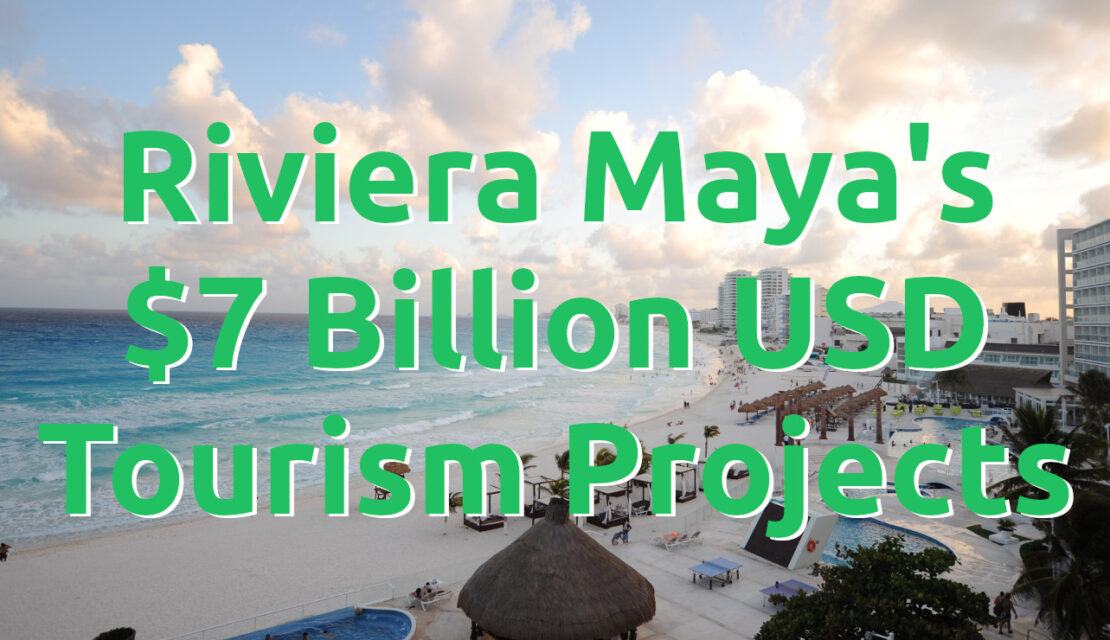
This article is designed as an independent market analysis rather than a Riviera Maya Real Estate Investment sales pitch. Its central argument is that the Riviera Maya is to enter an important investment cycle between 2027 and 2030, supported by tourism investment, infrastructure development, improved connectivity, and continued international demand.
An important distinction is maintained throughout: keep in mind announced investment, approved projects, projects under construction, and completed investment aren’t the same thing. This matters when estimating how much capital is actually expected to reach the region and when assessing the potential benefits for real estate investors like yourselves.
Outline:
- Introduction: The investment opportunity emerging in 2027–2030
- The $7 Billion Question: Understanding Quintana Roo’s tourism investment pipeline
- Market Analysis: Riviera Maya real estate market conditions in 2026
- Tourism and Infrastructure: The economic drivers behind future growth
- Regional Investment Opportunities: Playa del Carmen, Tulum, Cancún, Puerto Morelos and beyond
- Property Investment Strategies: Rental income, appreciation and lifestyle investments
- Risks and Challenges: Oversupply, regulations, infrastructure and climate
- Smart Investment Criteria: How to identify real property value
- FAQ: Eight essential investor questions
- Conclusion: Why 2027–2030 could be an important investment window
.
1. Introduction: A New Riviera Maya Real Estate Investment Cycle
The Riviera Maya has become one of the most recognized tourism destinations in the Americas. Over the past decades, the region has transformed from a relatively quiet Caribbean coastline into an international destination attracting millions of visitors, major hotel brands, international developers, and property investors.
But the next stage of its development could be particularly important.
Between 2027 and 2030, Quintana Roo is expected to benefit from a substantial pipeline of tourism investment, infrastructure projects, hotel developments, and improvements to regional transportation. These developments could influence property demand, rental markets, employment, and the long-term value of strategically located real estate.
One figure deserves particular attention.
According to El Economista, Quintana Roo had approximately US$7 billion in registered tourism investment projects as of September 2026. The portfolio contained 67 projects, representing approximately 15% of the national tourism investment total. This made Quintana Roo the second-largest state in Mexico by registered tourism investment, behind Nayarit.
That is a significant number. However, it’s important to understand what it represents.
The US$7 billion figure isn’t a promise that the entire amount will be spent between January 2027 and December 2030. It’s the reported value of a portfolio of tourism projects at a particular point in time. Individual projects have different construction schedules, financing arrangements, and completion dates.
Nevertheless, the figure provides an important indication of the capital being directed toward Riviera Maya’s tourism economy.
For property investors, this raises several interesting questions:
- How much of this Riviera Maya Real Estate Investment could benefit you?
- Which destinations are best positioned to benefit?
- Will new infrastructure generate additional demand for residential properties?
- Is the market becoming oversupplied?
- Is 2027–2030 a reasonable period to acquire property before further development takes place?
The purpose of this analysis is to examine these questions using available market information, government statistics, announced projects, and practical Riviera Maya Real Estate Investment principles.
The goal isn’t to suggest that every property will appreciate or that every development represents a good investment. Rather, it’s to understand why the region deserves attention and where opportunities may exist.
.
2. The $7 Billion Question: How Much Investment Is Coming to Riviera Maya?
2.1 Understanding the US$7 Billion Tourism Pipeline
The September 2026 report from El Economista provides one of the clearest indicators of the Riviera Maya Real Estate Investment environment heading into 2027.
Its reported figures are:
| Indicator | Reported figure |
|---|---|
| Tourism investment registered in Quintana Roo | US$7 billion |
| Number of registered projects | 67 |
| Share of Mexico’s national portfolio | Approximately 15% |
| National tourism investment portfolio | US$47.53 billion |
| Total national projects | 925 |
| Riviera Maya’s national ranking | Second |
These numbers demonstrate that Quintana Roo remains a major destination for tourism-related capital.
Even more interesting is the reported growth between the first and second quarter reporting periods of 2026. The number of projects increased by 20%, while the total investment amount increased by 12%.
This suggests that the pipeline was expanding rather than simply maintaining its previous size.
However, investors should distinguish between three categories:
- Operating projects: Investments that have already been completed and are generating economic activity.
- Projects under construction: Developments where capital is actively being deployed.
- Announced or registered projects: Investments that may still require financing, permits, construction contracts, or final approvals.
The distinction matters because an announced hotel doesn’t immediately create additional employment, tourist demand, or rental income.
For investors considering the 2027–2030 period, the most useful information is not simply the total announced investment. It’s the amount that actually moves into construction and operation during those years.
2.2 Major Hotel Developments and Announced Projects
The September report identifies several developments that could contribute to the region’s tourism economy.
Among the projects mentioned are:
| Project | Reported investment or scale | Expected timing/status |
|---|---|---|
| Playa del Carmen hotel investment package | US$1.6 billion | Announced; projects not yet started at reporting date |
| Hotel component within that package | US$700 million / approximately 900 rooms | Announced |
| Sixth Excellence Group hotel | More than US$250 million | Announced |
| Mandarin Oriental Kanai | Investment not specified in the report | Planned for 2028 |
These figures should be read carefully. The US$700 million hotel component is described within the broader US$1.6 billion Playa del Carmen package. It shouldn’t be added to the package as though it were an entirely separate investment.
Likewise, the US$7 billion portfolio may include projects at different stages and across different destinations. Adding individual announcements to the headline figure without checking for overlap would produce an unreliable estimate.
Still, the developments illustrate an important point: large-scale tourism investment isn’t limited to Cancún. Playa del Carmen and the wider Riviera Maya continue to attract interest from established hospitality groups.
2.3 What Could This Mean Between 2027 and 2030?
Rather than treating US$7 billion as guaranteed future expenditure, investors should view it as an existing investment pipeline entering a new development period.
A practical way to understand the potential is to consider three scenarios.
| Scenario | Interpretation | Investment implication |
|---|---|---|
| Conservative | Delays, financing changes, and cancellations reduce project execution | Gradual economic growth |
| Moderate | A significant portion of registered projects progresses | Additional jobs, services, and tourism capacity |
| Strong | Major announced developments are completed alongside new projects | Greater economic activity and potential demand for property |
These aren’t official government forecasts. They’re planning scenarios illustrating how the investment pipeline might translate into regional economic activity.
The most important consideration is that real estate benefits don’t always happen at the same time as hotel construction.
A new hotel may take several years to complete. Its economic effects, however, can begin earlier through construction employment, supplier contracts, transportation demand, and commercial activity.
Once operational, it may generate additional demand for restaurants, professional services, residential rentals, and accommodation outside its own property.
That’s where the wider real estate market becomes interesting.
.
3. Riviera Maya Real Estate Market Analysis: Where Does the Market Stand in 2026?
3.1 A Market That Is Becoming More Selective
For many years, investing in the Riviera Maya was relatively straightforward in one important sense: strong tourism growth created opportunities across numerous property categories.
That environment has changed.
The region now has a much larger supply of condominiums, vacation rentals, residential developments, and hotel-branded residences. Buyers have more choices, and investors need to be more selective.
This doesn’t mean the market has lost its potential. It means location, construction quality, pricing, management, and building operations matter more than they did during earlier growth periods.
A useful observation comes from our Zoom Playa 2026 analysis which describes the market as increasingly dependent on individual submarkets and building quality rather than the general popularity of the Riviera Maya.
This is an important distinction.
A well-positioned property in an established neighborhood may have a very different investment profile from an identical apartment in an area where hundreds of similar units are competing for the same guests.
3.2 Tourism Demand: The Foundation of the Property Market
Tourism remains one of the main economic drivers behind Riviera Maya real estate.
According to Mexico’s official tourism information platform, the country recorded approximately 28.9 million international tourist arrivals during January–July 2026, an increase of 4.5% compared with the same period in 2025. International visitor revenue was reported at US$21.7 billion.
These are national figures, not Riviera Maya-specific statistics. However, they help explain the broader environment supporting Mexico’s tourism industry.
Quintana Roo’s own tourism statistics provide a more detailed picture.
Hotel occupancy: January–July 2026
| Destination | 2025 | 2026 | Change |
|---|---|---|---|
| Cancún | 76.77% | 74.44% | -2.33 points |
| Puerto Morelos | 73.19% | 68.64% | -4.55 points |
| Riviera Maya | 75.34% | 70.71% | -4.63 points |
| Playa del Carmen | 75.76% | 71.27% | -4.49 points |
| Tulum | 72.67% | 63.69% | -8.98 points |
Source: Quintana Roo’s official tourism statistics platform, January–July comparison.
These figures are particularly relevant because they provide a necessary counterbalance to the investment announcements.
The region is attracting significant development capital, but hotel occupancy was lower in several major destinations during the first seven months of 2026.
In other words, investment growth and tourism performance don’t always move in the same direction.
For real estate investors, this means future demand shouldn’t be based solely on optimistic tourism projections. Existing occupancy, room supply, nightly rates, and the performance of competing properties should all be examined.
3.3 The Difference Between the Riviera Maya and Its Individual Markets
The Riviera Maya isn’t one uniform real estate market.
It includes destinations with different economic characteristics, infrastructure, tourism profiles, and property supply.
For example:
- Cancún has an established international airport, extensive hospitality infrastructure, and a large hotel market.
- Playa del Carmen combines tourism, permanent residents, commercial activity, and international property demand.
- Tulum has strong international recognition but also faces more significant questions about condominium supply and infrastructure.
- Puerto Morelos offers a smaller-scale coastal environment between Cancún and Playa del Carmen.
- Puerto Aventuras and Akumal attract buyers interested in marina, golf, beachfront, and residential lifestyle properties.
This geographical diversity is important.
An investor looking for rental income shouldn’t necessarily choose the same property as someone seeking a second home or a long-term capital investment.
3.4 A More Mature Market Can Be an Advantage
The market’s increasing selectivity may actually create opportunities for buyers who conduct proper research.
When demand is strong and almost every development sells easily, pricing can become disconnected from actual rental performance.
As the market matures, buyers become more conscious of:
- Realistic rental income.
- Building maintenance and reserve funds.
- Construction quality.
- Location and accessibility.
- Developer delivery history.
- Actual resale transactions.
- Competition from nearby properties.
This creates a healthier environment for disciplined investors.
The objective isn’t to purchase the cheapest property available. It’s to identify a property whose price, location, quality, and income potential make sense when compared with alternatives.
.
4. Infrastructure and Tourism: The Economic Drivers Behind 2027–2030
4.1 The Maya Train and Its Next Development Phase
Infrastructure is one of the most important factors to monitor when evaluating the future of the Riviera Maya.
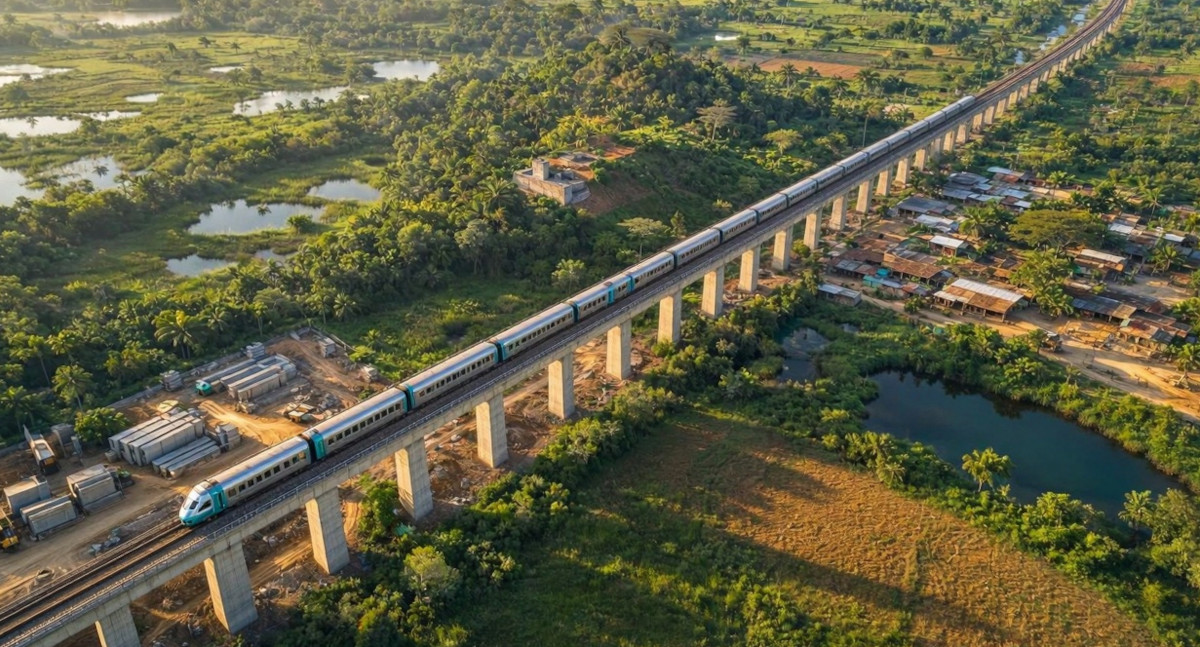
The Maya Train has already established a passenger railway connection across the Yucatán Peninsula. Its next major development phase includes freight infrastructure.
According to the Mexican government’s Proyectos México platform, the freight project had reached approximately 67.97% completion as of September 2026.
.
The first phase includes four freight complexes in:
- Palenque.
- Poxilá.
- Progreso.
- Cancún.
The project also includes approximately 101 kilometers of internal tracks across the freight complexes, together with additional railway and road infrastructure.
The second phase is scheduled to begin in 2027 and includes the final freight complex in Chetumal, along with additional operational yards. Proyectos México
Why does this matter to real estate?
Freight infrastructure isn’t a direct driver of vacation-condominium rentals. Its potential economic value is broader.
More efficient transportation of goods can support commercial activity, construction supply chains, logistics companies, and regional businesses.
Over time, these activities may help diversify the economy beyond tourism.
The passenger railway also offers a different type of benefit: improved access between destinations and archaeological, cultural, and tourism attractions.
However, investors should avoid assuming that every neighborhood near a railway station will automatically appreciate. Accessibility only becomes a property advantage when it translates into practical demand.
4.2 Cancún International Airport and Regional Connectivity
Air connectivity remains essential to the Riviera Maya’s tourism economy.
Cancún International Airport serves as the main international gateway for much of the region. Its flight network helps bring visitors from North America, Europe, and other parts of the world.
This is particularly important for vacation-rental investors.
A destination can have beautiful beaches and attractive properties, but accessibility plays a major role in determining how easily visitors can reach it.
The 2026 figures also remind investors that connectivity cannot be taken for granted. El Economista reported declines in passenger traffic at both Cancún and Tulum airports during January–August 2026.
Consequently, future growth will depend not only on building more accommodation but also on maintaining competitive air routes and attracting visitors.
4.3 Tourism Diversification and the Rise of New Experiences
The next investment cycle may also involve a broader range of tourism experiences.
The Riviera Maya has traditionally been associated with beaches, all-inclusive resorts, and vacation rentals.
However, its attractions extend well beyond the coastline.
- Archaeological sites and Mayan cultural attractions.
- Cenotes and underground freshwater systems.
- Golf courses and marina communities.
- Wellness and medical tourism.
- Restaurants, gastronomy, and entertainment.
- Eco-tourism and nature-based experiences.
- Luxury hospitality and branded residences.
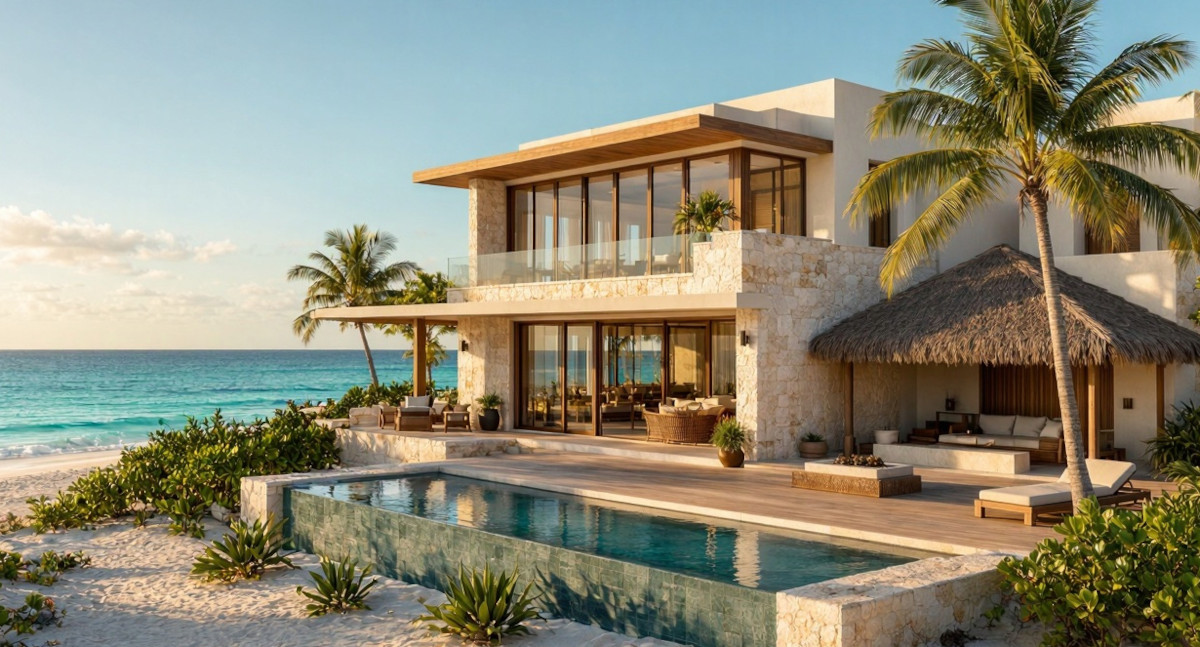
This diversification is relevant because different types of visitors create different accommodation needs.
A family staying for two weeks, a digital nomad spending three months, and a couple visiting for a wellness retreat don’t necessarily choose the same type of property.
Developments that respond to clearly defined customer groups may therefore have an advantage over generic accommodation.
.
4.4 Environmental Sustainability Will Influence Future Development
The natural environment is one of the Riviera Maya’s greatest economic assets.
Its beaches, reefs, mangroves, cenotes, and tropical forests are central to its international appeal.
However, they also create development constraints.
Environmental regulations, protected areas, coastal restrictions, water availability, and wastewater treatment requirements will play an increasingly important role in determining where and how new developments can be built.
Investors should pay particular attention to environmental approvals and land-use permissions, especially when evaluating projects near protected ecosystems.
Information on protected natural areas and environmental procedures is available through Mexico’s National Commission of Natural Protected Areas (CONANP) and SEMARNAT.
In the long run, responsible development isn’t simply an environmental consideration. It also helps protect the natural features that support property values and tourism demand.
.
5. Riviera Maya Real Estate Investment Opportunities: Which Areas Deserve Attention?
Not every destination will benefit equally from the investment cycle.
The following comparison considers the main characteristics of several markets rather than assigning speculative appreciation percentages.
5.1 Playa del Carmen: A Balanced Residential and Tourism Economy
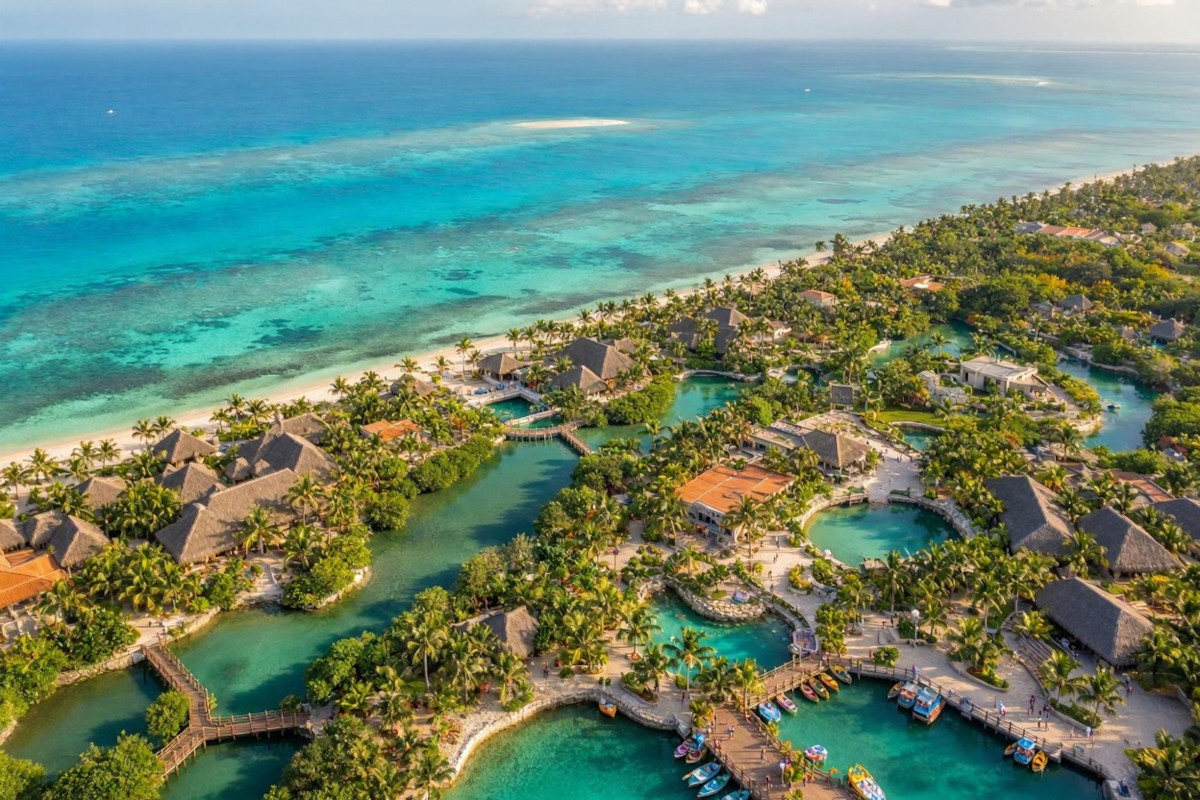
Playa del Carmen remains one of the most interesting locations for Riviera Maya Real Estate Investment.
Unlike destinations that depend almost entirely on hotel tourism, Playa del Carmen has a combination of permanent residents, seasonal residents, international visitors, commercial activity, restaurants, schools, medical services, and established neighborhoods.
This creates multiple potential sources of property demand.
Investors can consider:
- Condominiums near the beach and Fifth Avenue.
- Residential properties in established neighborhoods.
- Family-oriented apartments.
- Long-term rental properties.
- Boutique developments with differentiated amenities.
- Commercial properties in areas with strong pedestrian activity.
The announced US$1.6 billion hotel investment package mentioned earlier is particularly relevant to this market. If the projects advance, they could contribute to employment and additional economic activity.
The key is to identify properties that offer something beyond simply being located in Playa del Carmen.
A practical location advantage, good building management, and competitive pricing can make a substantial difference.
.
5.2 Tulum: Strong International Recognition, Greater Selectivity
Tulum has become one of Mexico’s most internationally recognized tourism and lifestyle destinations.
Its appeal is based on beaches, boutique hospitality, wellness, architecture, restaurants, and its connection to Mayan culture.
However, Tulum also illustrates why investors must look beyond the destination’s international reputation.
Hotel occupancy was approximately 63.69% during January–July 2026, compared with 72.67% in the same period of 2025, according to Quintana Roo’s official statistics.
That decline reinforces the need for caution when evaluating new developments.
Potential opportunities may exist in:
- Established residential communities.
- Well-managed boutique developments.
- Properties with genuine proximity to desirable attractions.
- Differentiated wellness and hospitality concepts.
- Homes serving longer-term residents.
Tulum may offer attractive opportunities, but buying a generic condominium simply because it carries the Tulum name is not an investment strategy.
5.3 Puerto Morelos: A Smaller Market with a Distinct Identity
Puerto Morelos offers a different proposition.
It sits between Cancún and Playa del Carmen and has maintained a smaller-town character compared with its larger neighbors.
Its appeal includes a traditional fishing village atmosphere, beaches, reef activities, restaurants, and residential communities.
For investors, its smaller scale can be attractive, particularly when looking for properties that serve residents and visitors seeking a quieter environment.
However, smaller markets also require careful examination of resale liquidity, local services, and rental demand.
A property can be attractive as a lifestyle purchase without necessarily being the strongest income-producing investment.
5.4 Puerto Aventuras and Akumal: Established Lifestyle Markets
Puerto Aventuras and Akumal offer more specialized Real Estate Investment opportunities.
Puerto Aventuras is known for its marina, golf, controlled-access community, and residential environment.
Akumal is associated with beachfront living, nature, and a quieter tourism experience.
These destinations may appeal to buyers looking for:
- Marina and boating access.
- Golf-oriented lifestyles.
- Beachfront properties.
- Larger residential units.
- Second homes for extended stays.
- Properties in established communities.
Their investment potential should be evaluated against a more specific buyer and rental audience rather than compared directly with central Playa del Carmen.

.
5.5 Comparing the Main Markets
| Destination | Main investment appeal | Important consideration |
|---|---|---|
| Playa del Carmen | Tourism, residential demand, commercial activity | Competition and building quality |
| Tulum | Lifestyle, boutique hospitality, international recognition | Condominium supply and occupancy |
| Puerto Morelos | Smaller coastal market and residential demand | Market liquidity and infrastructure |
| Puerto Aventuras | Marina, golf, established community | Higher entry costs in premium locations |
| Akumal | Beachfront and nature-oriented lifestyle | Environmental restrictions and seasonality |
| Cancún | International connectivity and established tourism | Competition from extensive hotel supply |
The best location depends on the investment objective.
For an investor seeking a combination of residential demand and tourism, Playa del Carmen deserves particular attention. For someone prioritizing exclusivity and lifestyle, Puerto Aventuras or Akumal may be more appropriate.
.
6. Riviera Maya Real Estate Investment Strategies: How to Benefit From the Next Growth Cycle
6.1 Vacation Rentals and Short-Term Income
Vacation rentals remain one of the most familiar Riviera Maya Real Estate Investment strategies.
The concept is simple: purchase a property, furnish it, and rent it to visitors through short-term accommodation platforms or a professional management company.
However, the financial performance depends on several factors:
- Purchase price.
- Average daily rental rate.
- Occupancy.
- Management fees.
- Cleaning and maintenance.
- Electricity, water, and internet.
- HOA fees.
- Insurance.
- Taxes and regulatory compliance.
Our Riviera Maya’s 2026 market analysis suggests gross short-term rental yields of approximately 7–11% for well-managed properties, with net yields more commonly around 4–7% after operating expenses. These are indicative market estimates, not guaranteed returns or independently verified performance for every submarket.
For example, consider a hypothetical property purchased for US$200,000.
| Financial item | Annual amount |
|---|---|
| Gross rental revenue at 9% | US$18,000 |
| Operating expenses at 35% | US$6,300 |
| Net operating income | US$11,700 |
| Net yield on purchase price | 5.85% |
This simplified example doesn’t include financing costs, income taxes, closing expenses, or exceptional repairs.
It does, however, demonstrate why gross rental yield and actual investment returns should never be confused.
6.2 Long-Term Rentals
Long-term rentals can be an attractive alternative for investors who prefer more predictable income.
The Riviera Maya has a population that includes hospitality workers, business owners, professionals, remote workers, and people relocating from other parts of Mexico and abroad.
These residents need housing throughout the year.
Long-term rental properties may offer:
- Fewer tenant turnovers.
- Lower cleaning and furnishing costs.
- More predictable monthly income.
- Reduced dependence on tourism seasons.
- Less intensive property management.
The trade-off is that monthly rental rates may be lower than the equivalent income potential during peak vacation periods.
This strategy is particularly worth considering in neighborhoods with convenient access to schools, supermarkets, medical services, workplaces, and transportation.
6.3 Capital Appreciation
Another Riviera Maya Real Estate Investment strategy focuses on buying property and holding it over several years.
The idea is to acquire a property in an area that may benefit from economic development, infrastructure improvements, and increasing demand.
However, appreciation isn’t automatic.
A property’s value depends on its purchase price, construction quality, neighborhood development, available supply, and resale demand.
Investors should avoid relying exclusively on projected appreciation figures presented in marketing materials.
A more reliable approach is to examine recent comparable sales, asking prices, construction progress, and the number of competing properties.
6.4 Branded Residences: Is the Premium Worth Paying?
Branded residences have become increasingly visible in the Riviera Maya.
These developments combine residential ownership with the reputation, services, and design standards associated with hospitality brands.
They can appeal to buyers seeking luxury amenities, professional services, and an internationally recognized product.
But there’s an important question: how much more should an investor pay for the brand?
The Q3 2026 offers an interesting comparison.
Zoom Playa’s internal analysis of available developer-listed units found a median branded-residence premium of approximately 23% when comparing properties within the same geographical submarket. Without controlling for location, the apparent premium increased to 49%.
This is a valuable lesson.
A branded development may appear much more expensive partly because it is located in a more desirable area, not simply because it carries a famous name.
The report is based on its own sample of available listings, not completed property transactions or independently audited rental results. Its figures should therefore be treated as a market indicator rather than a universal valuation rule.
Before paying a premium, investors should investigate:
- Whether the brand provides real operational benefits.
- Whether rental management is included.
- What percentage of rental revenue the owner retains.
- Whether mandatory service fees apply.
- How the property compares with non-branded alternatives.
- Whether the resale market supports the additional purchase price.
A recognized brand can add value, but the financial case still needs to work.
6.5 Pre-Construction Versus Resale
Both options can be attractive, but they involve different risks.
| Factor | Pre-construction | Resale |
|---|---|---|
| Purchase price | May offer early-stage pricing and discounts | Based on existing market conditions |
| Payment structure | Often staged during construction | Usually faster payment and closing |
| Delivery risk | Higher | Lower if property is complete |
| Rental income | Generally delayed until delivery | Can potentially begin sooner |
| Physical inspection | Limited before completion | Property can be inspected |
| Building performance | Often based on projections | Actual operating history may be available |
Pre-construction can offer opportunities when purchasing at a reasonable price from a financially sound developer. They can also offer short term financing directly through the developer and depending on the down payment get you considerable discounts.
However, delivery delays, construction changes, financing problems, and permit issues can affect the investment.
Resale properties offer more information about the actual building and its operations, although older properties may require renovations or significant maintenance.
The right decision depends on the investor’s financial position, time horizon, and tolerance for uncertainty.
.
7. Risks and Challenges: What Investors Should Not Ignore
A positive market outlook doesn’t mean that the Riviera Maya is without risks.
In fact, understanding these risks is one of the most important parts of making a successful investment decision.
7.1 Oversupply in Certain Areas
The growth of condominium construction has created competition in some neighborhoods.
Tulum is an example of a market where substantial new supply can put pressure on rental rates and occupancy.
When several developments offer nearly identical apartments, owners may have to compete through lower prices, better services, or additional amenities.
The result can be lower net income even if the overall tourism market continues growing.
Investors should examine the number of comparable units within a property’s immediate area, not just the number of tourists visiting the destination.
7.2 Environmental and Construction Regulations
Environmental compliance is particularly important in Quintana Roo.
In certain part of the Riviera Maya developments may require federal environmental authorizations as well as municipal construction permits, land-use approvals, and other regulatory documentation.
This is especially relevant for coastal developments, projects close to mangroves, and properties near protected natural areas.
A project with attractive architectural renderings isn’t necessarily a project with all the required permits.
Before purchasing pre-construction, investors should request:
- Environmental impact authorization, where applicable.
- Construction permits.
- Land-use authorization.
- Proof of legal land ownership.
- Approved architectural plans.
- Relevant utility and water permissions.
- Evidence of condominium regime registration, where applicable.
For additional information, consult SEMARNAT’s official website.
7.3 Foreign Ownership and Legal Structure
Foreign buyers can legally acquire residential property in the Riviera Maya, but special rules apply because the region is within Mexico’s restricted coastal zone.
Under Article 27 of the Mexican Constitution, foreign individuals generally acquire residential property in the restricted zone through a bank trust known as a fideicomiso.
The Ministry of Foreign Affairs explains the requirements and the permitted trust structure, which generally has a 50-year term and may be renewed.
The trust allows the foreign beneficiary to use, enjoy, sell, and transfer the beneficial rights to the property, subject to the applicable legal framework.
Buyers should work with an independent Mexican notary and qualified legal counsel to verify the ownership structure and documentation.
7.4 Hurricanes, Insurance, and Maintenance
The Caribbean climate creates additional considerations.
Hurricanes and tropical storms can affect buildings, infrastructure, insurance premiums, and tourism activity.
A property may look attractive during a sales presentation but become expensive to maintain if it has poor construction standards or inadequate storm protection.
Investors should investigate:
- Building materials and construction quality.
- Hurricane-resistant windows and doors.
- Roof and drainage systems.
- Insurance coverage and deductibles.
- Building maintenance reserves.
- Emergency and evacuation procedures.
7.5 Rental Regulations and Operating Costs
Short-term rental regulations and tax requirements can change.
Investors should verify the current registration, tax, zoning, and condominium rules that apply to their property.
They should also confirm that the building’s condominium regulations permit the intended rental activity.
A property that cannot legally or practically operate as a vacation rental may have a very different investment value.
7.6 Infrastructure Must Keep Pace With Development
Rapid construction can place pressure on roads, water systems, drainage, electricity, and waste management as it has in Tulum over the past several years.
These issues matter because infrastructure quality influences the experience of both residents and tourists.
A location may benefit from new commercial development while still facing practical limitations.
For this reason, investors should assess the actual infrastructure surrounding a property rather than relying on broad regional development announcements.
.
8. Smart Investment Criteria: How to Identify Real Value in 2027–2030
The most promising investment opportunities aren’t necessarily the most expensive properties or the newest developments.
They are properties where the purchase price makes sense in relation to location, demand, construction quality, operating expenses, and resale potential.
8.1 Look Beyond the Asking Price
The purchase price is only the starting point.
Buyers should calculate the total acquisition cost, including:
- Property transfer tax.
- Notary fees.
- Registry fees.
- Legal expenses.
- Trust establishment costs, when applicable.
- Bank fees.
- Appraisal and administrative costs.
- Furnishing and initial maintenance.
8.2 Analyze the Property as a Business
An Riviera Maya Real Estate Investment should be evaluated using realistic financial assumptions. We have setup a tool to arm you with all these details through our Zoom Playa Real Estate Financial Calculator.
Consider the following example:
Hypothetical annual rental performance
| Metric | Assumption |
|---|---|
| Purchase price | US$200,000 |
| Average nightly rate | US$120 |
| Annual occupancy | 55% |
| Available rental nights | 365 |
| Occupied nights | Approximately 201 |
| Gross annual revenue | US$24,090 |
| Operating expenses (35%) | US$8,432 |
| Net operating income | US$15,658 |
| Indicative net yield | 7.83% |
This is an illustrative scenario, not a forecast for any particular Riviera Maya property. It excludes financing, taxes, acquisition expenses, and extraordinary costs.
The purpose is to show how occupancy and expenses influence actual performance.
A property generating US$24,090 in gross revenue doesn’t produce US$24,090 in investment income.
8.3 Evaluate the Developer
Developer quality can be as important as location.
Before purchasing a new development, investigate:
- Previous completed projects.
- Construction quality.
- Delivery history.
- Financial capacity.
- Legal ownership of the land.
- Environmental and construction permits.
- Contractual delivery conditions.
- Warranty provisions.
A developer’s reputation should be supported by completed projects and verifiable documentation.

.
8.4 Consider the Neighborhood’s Future
A property’s long-term potential is influenced by its surrounding environment.
Investors should ask:
- Are new commercial services opening nearby?
- Is road access improving?
- Are public services adequate?
- Is the neighborhood established or speculative?
- Are there major developments planned nearby?
- Is new construction creating too much competition?
- Will the area appeal to future residents as well as tourists?
The strongest investments often benefit from more than one source of demand.
8.5 Think About the Exit Before Buying
Every Riviera Maya Real Estate Investment should have a potential exit strategy.
Some buyers plan to sell after several years of appreciation. Others want to generate rental income indefinitely. Some intend to use the property personally and eventually retire in Mexico.
These objectives can lead to very different purchase decisions.
A property with excellent vacation-rental potential may be less suitable for permanent living. Similarly, a quiet residential apartment may not generate the same short-term rental income as a property near the beach.
The most important question is not simply whether the property is attractive today.
It’s whether there will be a clear group of buyers or renters interested in it when you decide to sell or lease it.
.
9. FAQ: Eight essential investor questions
The Riviera Maya remains an interesting real estate investment market because of its international tourism profile, established residential communities, and continued investment in hospitality and infrastructure.
The reported US$7 billion tourism investment portfolio in Quintana Roo provides a strong reason to monitor the market.
However, not every property represents a good investment. Buyers should focus on realistic purchase prices, rental demand, building quality, and the specific neighborhood.
As of September 2026, Quintana Roo had approximately US$7 billion in registered tourism investment projects across 67 projects.
This figure represents the reported investment pipeline, not a confirmed expenditure schedule for 2027–2030.
Several projects have been announced for the coming years, including a US$1.6 billion hotel investment package in Playa del Carmen and the Mandarin Oriental Kanai project, planned for 2028.
The actual amount invested during the four-year period will depend on project financing, construction schedules, permits, and completion.
There isn’t one answer for every investor.
- Playa del Carmen: Attractive for investors seeking a combination of tourism, residential demand, and commercial activity.
- Tulum: Interesting for differentiated lifestyle and boutique hospitality properties, but requires careful analysis of supply.
- Puerto Morelos: Worth considering for smaller-scale residential and coastal investments.
- Puerto Aventuras: Particularly attractive for marina and golf-oriented lifestyles.
- Akumal: Suitable for buyers interested in beachfront and nature-oriented properties.
The best choice depends on the investment objective, available capital, and expected holding period.
Pre-construction can offer attractive pricing and flexible payment structures, but it involves delivery and developer risks.
Existing properties provide an opportunity to inspect the building, evaluate maintenance, and potentially generate rental income sooner.
Investors should compare both options based on total acquisition cost, construction quality, rental performance, and resale potential.
Yes. Foreigners can legally purchase residential real estate in the Riviera Maya.
Because the region is within Mexico’s restricted coastal zone, foreign individuals generally purchase residential properties through a bank trust known as a fideicomiso.
The trust provides the legal right to use, enjoy, sell, and transfer the beneficial interest in the property.
Buyers should consult the Mexican Ministry of Foreign Affairs and an independent notary before completing a transaction.
Yes. Vacation rentals and long-term rentals are established investment strategies throughout the region.
However, income depends on location, property type, occupancy, nightly rates, operating costs, and management quality.
A property near the beach may attract vacation visitors, while a property in a residential neighborhood may be more appropriate for long-term tenants.
Investors should calculate net income rather than relying exclusively on projected gross rental returns.
Yes. Certain neighborhoods have experienced substantial condominium development, particularly in Tulum and parts of Playa del Carmen.
Oversupply can create competition between properties, reduce occupancy, and place pressure on rental prices.
This doesn’t mean the entire region is oversupplied. It means investors should analyze the immediate surroundings of each property and identify how many comparable units are competing for the same customers.
Waiting may provide additional information about infrastructure projects, construction activity, and tourism performance.
However, it may also mean missing opportunities to purchase properties at current prices.
Buying earlier can make sense when the property is correctly priced, legally sound, and located in an area with sustainable demand.
There is no guarantee that prices will rise between now and 2030, nor that buying today will produce a better return than buying later.
The most sensible approach is to purchase when the individual investment makes financial sense, rather than attempting to predict the exact bottom or top of the market.
.
10. Conclusion: Why 2027–2030 Could Be an Important Window for Riviera Maya Investors
The Riviera Maya is entering a period that deserves serious attention from property investors.
The reported US$7 billion tourism investment portfolio in Quintana Roo, the expansion of hotel infrastructure, the development of the Maya Train freight network, and continued international interest all point toward an economy that is still attracting substantial capital.
At the same time, the market is becoming more competitive.
Hotel occupancy figures show that tourism growth isn’t guaranteed to translate into stronger performance every year. New condominium supply, operating expenses, environmental regulations, and infrastructure limitations also need to be considered.
This combination creates an interesting Riviera Maya Real Estate Investment environment.
The opportunity isn’t necessarily to buy anything available before the next wave of development. It’s to identify properties that are positioned to benefit from the region’s economic development without paying a premium based on unrealistic expectations.
For investors, several principles stand out:
- Prioritize established demand. Look for locations that already attract residents, visitors, and businesses.
- Understand the investment pipeline. Distinguish announced projects from developments that are financed and under construction.
- Buy based on real numbers. Evaluate rental income, expenses, and comparable property values.
- Choose quality over quantity. A well-designed property in a strong location can outperform a generic unit in an oversupplied area.
- Verify everything. Legal documentation, environmental permits, construction quality, and developer history should never be overlooked.
- Think long term. The strongest opportunities may come from holding a good property through several years of regional development rather than attempting a quick resale.
The period between 2027 and 2030 is to represent an important stage in the evolution of the Mexican Caribbean.
For investors willing to research individual opportunities and understand the differences between its submarkets, the Riviera Maya remains a region worth watching.
The question isn’t simply whether the Riviera Maya will continue growing. It’s which locations, developments, and properties will be best positioned to benefit from that growth.
Looking for Riviera Maya Real Estate Investment Opportunities?
Whether you’re considering a vacation rental in Playa del Carmen, a residential property in Tulum, a beachfront condominium, or a longer-term investment in Cancun, understanding the market before making a purchase is essential.
Explore available properties, compare developments, and evaluate opportunities based on location, pricing, rental potential, and long-term value.
The best time to invest isn’t necessarily when everyone else is buying. It’s when you find the right property at the right price, backed by sound market fundamentals. Reach out to our team and start fine tuning your options to find that one unit made for you.